Folks,
Let’s say you charge up past 86V to go fly but then don’t end up flying. How do you safely discharge your battery back down to storage voltage? Obviously flying is the most desirable option but it is not always possible.
Folks,
Let’s say you charge up past 86V to go fly but then don’t end up flying. How do you safely discharge your battery back down to storage voltage? Obviously flying is the most desirable option but it is not always possible.
Hi Marius, I have been using this model. Just make sure to choose the correct AC voltage depending on the country you live in (110 or 220V) Pure Sine Wave Power Inverter 1500W 96V DC to AC 120V 220V Solar System Off Grid | eBay
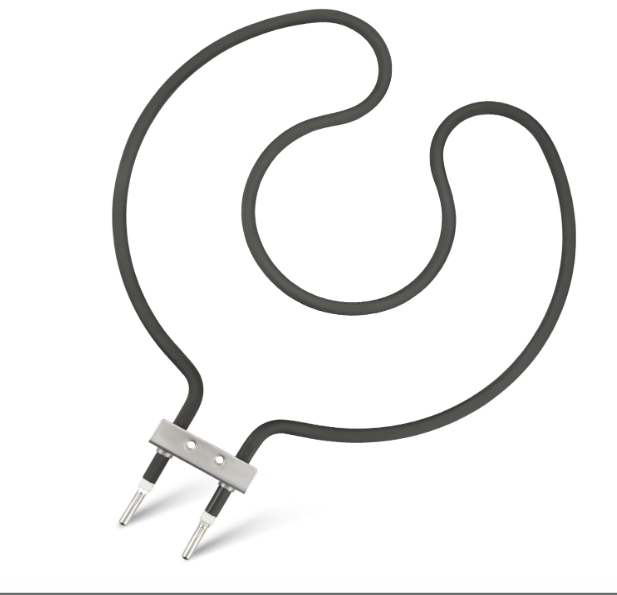
With the old 1/2 hour battery I plugged my office LED lights for a couple days - about 9 hours per day or my small ceramic heater on the low setting. It did the job in less than an hour with the heater. Need to keep an eye on the inverter screen. I usually dropped the voltage to 85V because it went back up a bit after unplugging the battery. I kept my battery at 86V. for storage.
Have not done it yet with the new half size battery but Paul told me to keep each cell between 3.2 to 3.8V for long term storage.
Thanks Phil, I use an infrared heater myself, just posted these thread links for wacked215.
I looked at going the inverter route but it was pricey and required careful babysitting to be sure I didn’t overshoot the target voltage, I ended up buying a KP184 DC Electronic Load from Amazon. I wired in a plug to connect directly to the battery and I can use the discharge mode to enter a target voltage. It will discharge at about 400 watts and automatically shutoff when the target voltage is reached. The price was right around $100.00. An inverter would be quicker but more expensive, more complicated and riskier. It discharged my battery from full to storage level in a few hours.
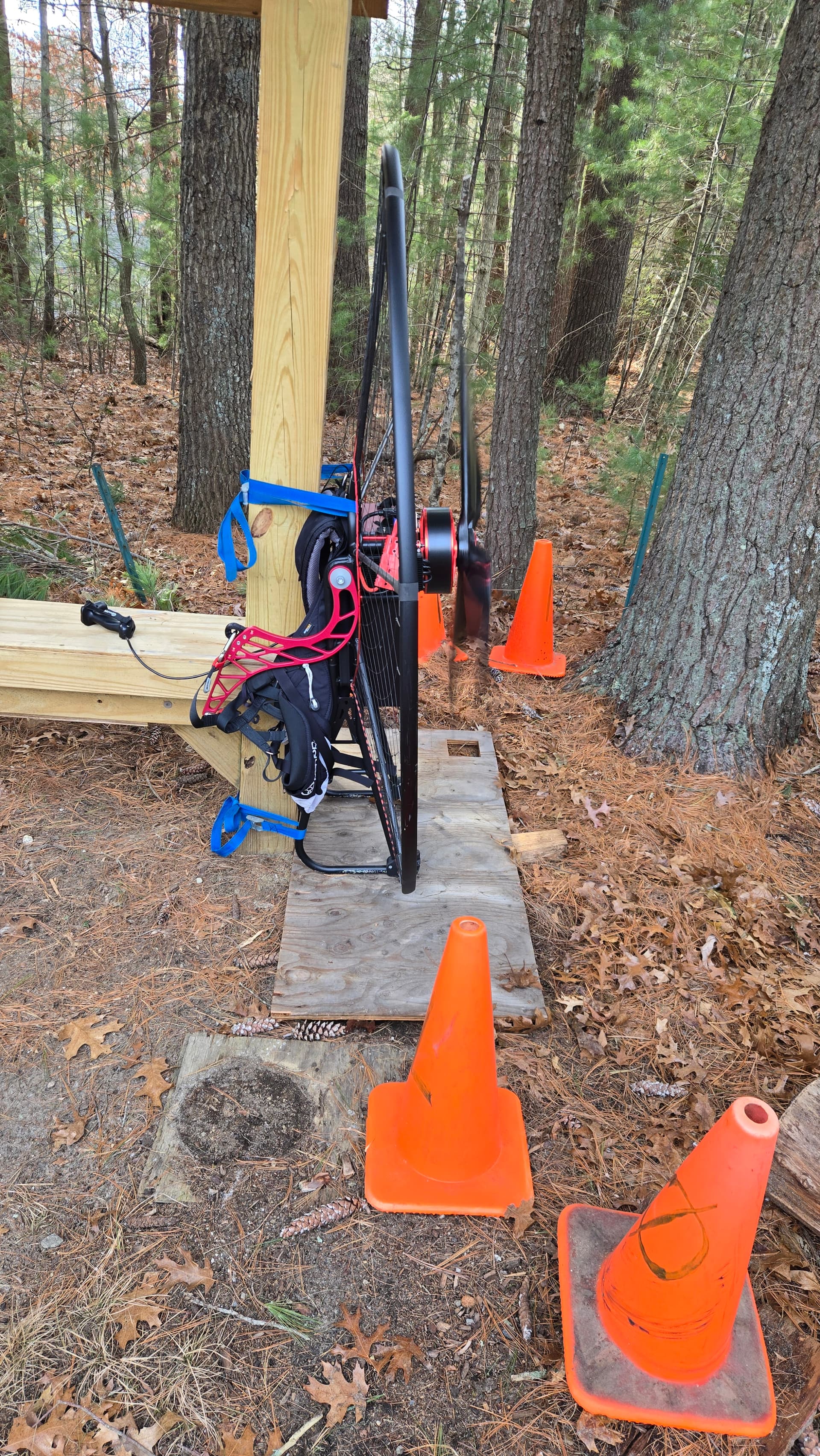
@Pdwhite I run the paramotor on cruise at very low speed (~1A) with the props removed. I normally have them removed for transport, so if I end up charging and not flying, this seems like a good way to get back to storage voltage. Paul - does this seem safe to you, especially with no props?
Yeah, you can run the motor without a prop, but it’s just going to take way longer to discharge it if you don’t have some sort of load on the motor. The bearings on the motor are really going to last a long time, so that’s not much of an issue. In general, I’d recommend discharging with the prop if you can.
Have you done it yet? How long did it took? Since the other guys took them three hours with the prop on, without the prop is like emptying a car’s gas tank with the motor at idle.
By my calculations it would take about 10-12 hours!  for the 4kw batt, If not more.
For my custom 2.8kwh batt it takes above two hours at a rate of 370-400w/hr.
1Ax90v=90w/hour. To bring the 4kw batt to 3.8v thus pulling out about 1-1.2kw..1200:90=13 hrs.
I got the inverter from Reliable Power listed above and it didn’t last long until let out some magic smoke. After sending me some replacement fuses and transisters from China, it still didn’t work so they agreed to send me a replacement if I paid the shipping. That worked for about 5 mins until pop and another puff of magic smoke. I was powering an electric fan so not a heavy load. I lost all faith in this cheap Chinese inverter and bought a Dutch one from DWE - 96V to 230V inverter, 1500W • DWE works a treat!