I have been playing around with flying electric, but I switched from a Tornado 280 to a Moster 185, and being a heavy pilot, I would like to see what the heavier pilots think of this system and what they are using for wings.
Im not big, but i fly with a big guy that will never see this post and will speak a bit on his behalf. The extra power in sport mode has more thrust than the moster 185 when fully charged. He launches flawlessly with a roadster 3 26m. I dont know his weight, but im gonna guess 250. We both love the machine in pretty much every aspect of paramotor except the flight time.
My all-up flying weight of 311–315 lbs (141–143 kg) puts me at or slightly above the published maximum weight of 309 lbs (140 kg) for my APCO F3 26m which is not the ideal match for my current electric setup. Because this means the wing is operating at or beyond its intended loading, resulting in higher wing loading, potentially higher take-off and landing speeds, and a more demanding foot-launch experience. My 99 lbs (4.8kwh large battery) SP140 V2.5 electric paramotor, the extra weight is particularly relevant during take-off. I will be moving to the larger APCO F5 29, which offers approximately 15% more wing area, which reduces wing loading and should provide a better match for my heavier SP140 electric setup.
Flight times vary depending on the demand. Heavy throttle use in climbs and cruising can draw quite a lot so I normally keep my fingers light on the throttle lever, keeping full throttle times to a minimum. With my V2.5 4.8kwh battery I usually get around 50 minutes on a full charge considering my heavy load. Flying into headwind can also draw substantial amounts of power, particularly in take offs and climb outs. Changing from a 26m to a 29m wing will increase efficiency and generate better lift without excess power use.
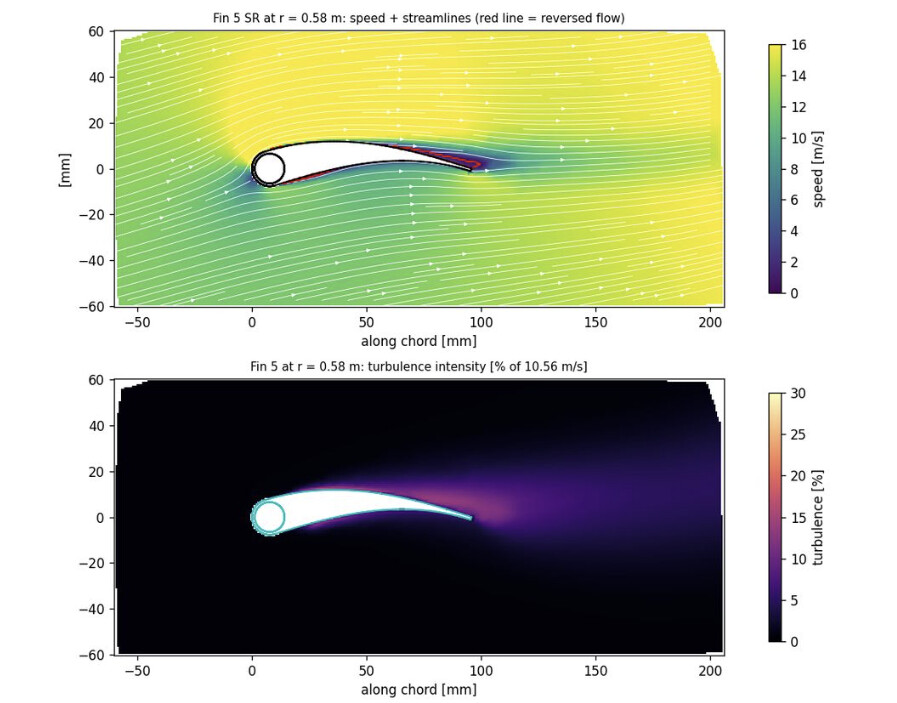
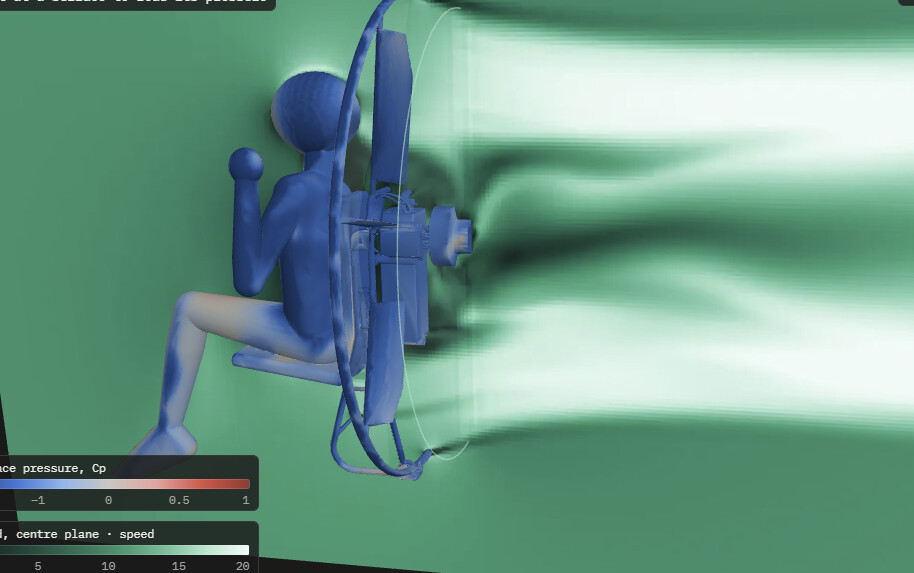
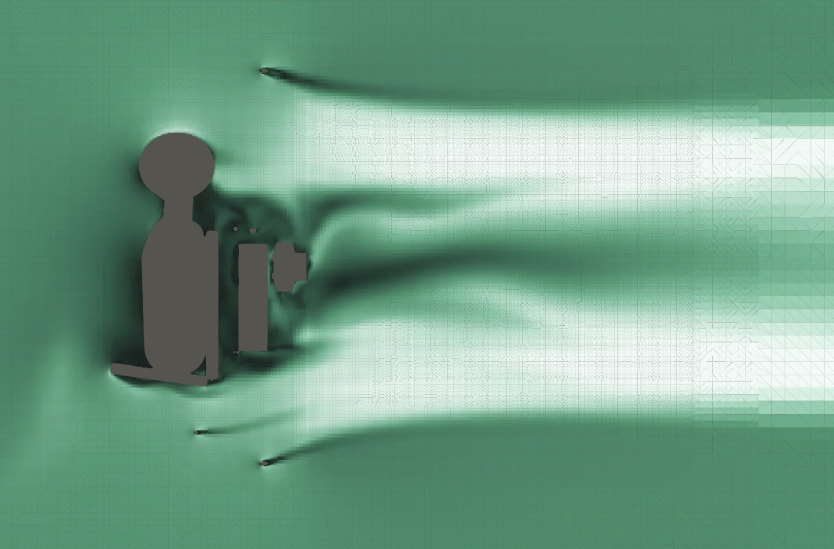
Also, an interesting thing to note is that with other frames (3d party frames), especially a double‑hoop frame, we’ve calculated the drag increase drops flight time by around 11%. I’ve been doing some CFD with the SP140 V2 frame for anti‑torque fins and have noticed that even while fairing the carbon‑fiber spars and adding a light wing profile and accounting for the weight increase in use, and taking in real‑world flight‑data simulations, we see an increase in flight time of around 3% just adding that an optimized wing profile to the spars. That’s not including the outside hoop sections, netting, or any other drag in the system.
Flight time does vary with the wing and I still think the wing makes the biggest difference in efficiency, as far as being one variable that is frequently changed but the frame the electric system is mounted on. Can also make quite a big difference, especially when it has much more frontal area, like extra tubing, especially when you’re doubling the tubing up for something like a double‑hoop frame.
I’m flying a lightweight trike at 18lbs plus I’m 170lbs and flying the 4.8kwh battery, all up weight near 275lbs on 23m Colorado wing, I’m seeing about 50-55 min flight time without being too conservative. I do feel this contributes to poorer flight times as comparing my non-trike 2.6Kwh battery flights with all up weight of 232lbs on the same wing, I’m getting 30 minutes.